Backpacking Through Time: Historic Routes That Still Inspire Wanderers
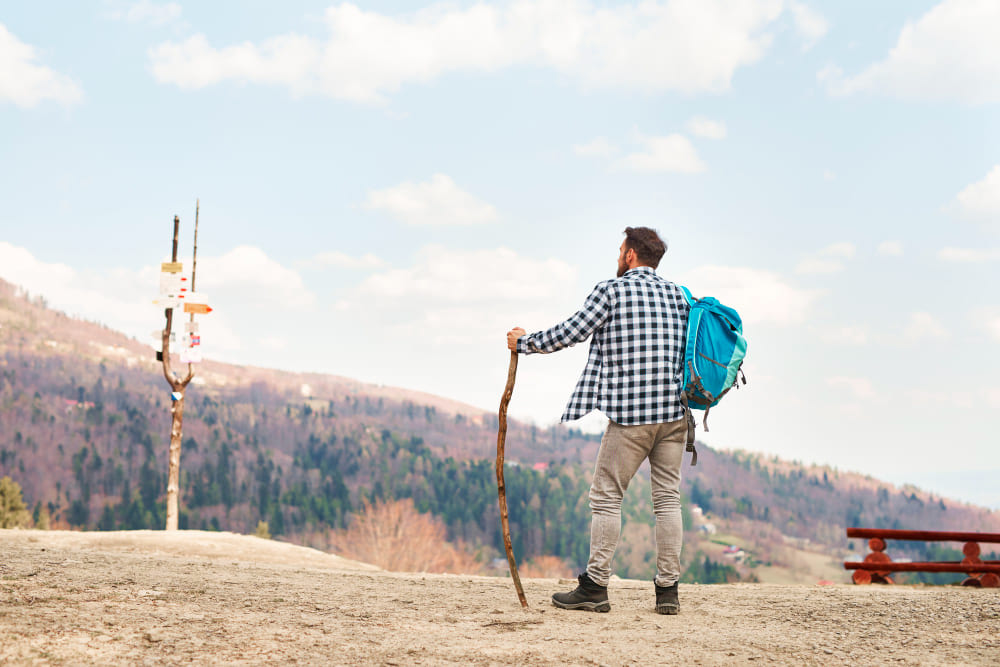
In the age of Google Maps and budget airlines, it's easy to forget that the art of travel began with humble footsteps. Before GPS and passports, ancient travelers carved out routes that connected continents, cultures, and civilizations. Today, many of those paths still exist—not just on maps, but in real life, waiting for the modern wanderer to follow in the footsteps of history.
Whether you’re seeking spiritual connection, cultural immersion, or just a new kind of adventure, these historic routes offer more than scenery—they offer stories.
1. The Inca Trail – Peru
Winding its way through the Andes, the Inca Trail is one of the most legendary treks in the world. Originally built by the Incas to connect their vast empire, the trail leads to the stunning ruins of Machu Picchu—a lost city rediscovered only in the 20th century.
Why it’s historic: The trail is part of a massive network of Incan roads and includes original stone steps, tunnels, and ceremonial sites.
What to expect: A four-day trek through cloud forests, alpine tundra, and ancient ruins. Altitude is a challenge, but the reward is unmatched.
2. The Silk Road – Central Asia
More a network than a single route, the Silk Road connected China with the Mediterranean for centuries. Traders, monks, and nomads once walked this route, exchanging goods, ideas, and culture.
Why it’s historic: It was the lifeblood of trade for nearly 2,000 years, bringing silk, spices, and even Buddhism to the West.
What to expect: While the entire route is too vast to tackle at once, highlights include Uzbekistan's Samarkand, Kyrgyzstan's mountain passes, and China’s ancient city of Xi'an.
3. The Camino de Santiago – Spain
Also known as The Way of St. James, this medieval pilgrimage route still draws thousands each year. With several starting points across Europe, all paths lead to the shrine of St. James in Santiago de Compostela.
Why it’s historic: Pilgrims have walked this path for over 1,000 years seeking spiritual renewal.
What to expect: Rolling green hills, charming Spanish villages, and albergues (pilgrim hostels) full of camaraderie. Choose between different routes, with the Camino Francés being the most popular.
4. The King’s Trail (Kungsleden) – Sweden
Used by the indigenous Sámi people for centuries, Sweden’s Kungsleden (King’s Trail) is a remote route through Arctic wilderness.
Why it’s historic: It traces ancient migratory paths and trade routes used by Sámi reindeer herders.
What to expect: Endless daylight in summer, snowy magic in winter, and unmatched tranquility. The 440 km trail passes through dramatic mountain valleys and quiet birch forests.
5. The Appalachian Trail – USA
Stretching from Georgia to Maine, the Appalachian Trail is one of the most iconic long-distance hiking trails in the world.
Why it’s historic: The route follows ancient Native American paths and has been a symbol of America’s wilderness and independence since its formal creation in the 1930s.
What to expect: Dense forests, misty ridges, and a tight-knit hiking community. While thru-hikes take months, short sections offer bite-sized adventures.
6. The Via Francigena – Italy, France, Switzerland, UK
An ancient pilgrim trail leading from Canterbury (UK) to Rome, the Via Francigena was once used by bishops and kings making their way to the Holy See.
Why it’s historic: Documented in 990 AD by Sigeric the Serious, Archbishop of Canterbury, it’s a true pilgrimage through time.
What to expect: Quiet countryside, Roman ruins, medieval towns, and plenty of pasta. The Italian segment is the most popular, winding through Tuscany’s heart.
Final Thoughts
Backpacking through historic routes isn’t just about seeing the world—it’s about experiencing it through time. These trails aren’t designed for speed; they’re made for savoring. Along the way, you'll find ancient ruins, forgotten stories, and perhaps a deeper understanding of your own journey.